Service Request Management
Read, classify and route incoming requests using customer, equipment, location, issue type and priority.
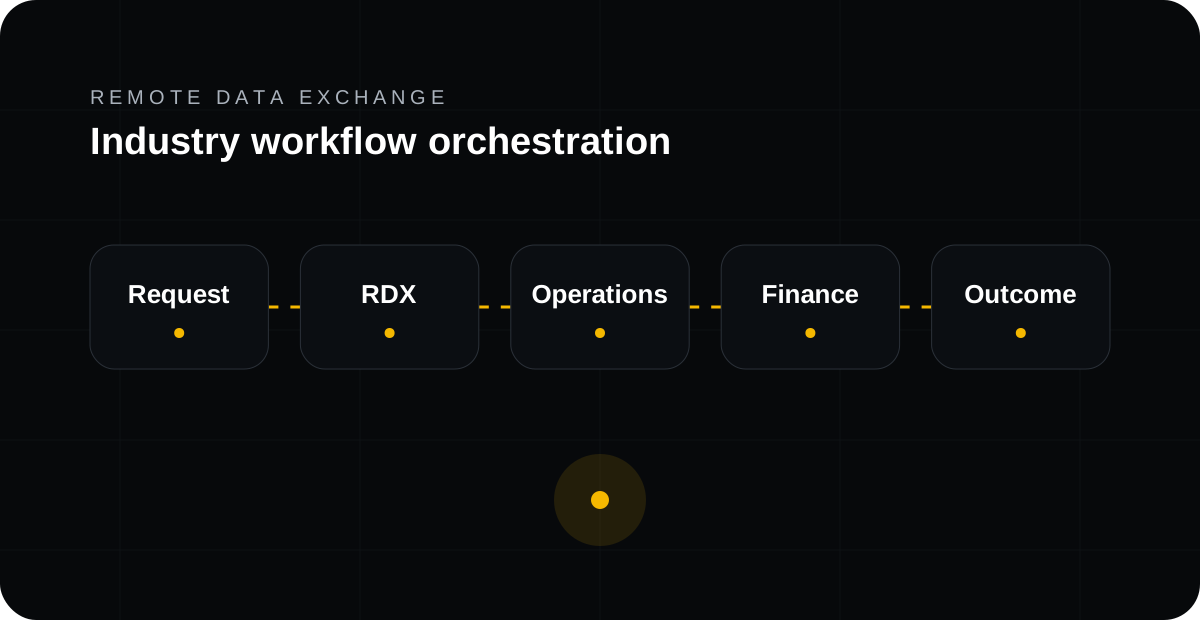
Every industry has processes that consume time, delay decisions and depend too heavily on manual coordination. RDX connects the systems between teams so information can move, work can progress and completed activity can reach the next business step faster.
Service request to paid invoice.
↘02Proposal to project to billing.
↘03Sales to onboarding to recurring service.
↘04Orders, operations, service and after-sales data.
↘05Order to warehouse to delivery to billing.
↘06Enquiry to engagement to billing.
↘07Controlled data, approval and audit workflows.
↘08Asset event to field response to reporting.
↘09Request to scheduling to report to billing.
↘Equipment service and field operations businesses depend on timely coordination between customers, service teams, technicians, inventory, finance and management. RDX connects the systems between those teams so work can move without repeated manual handoffs.
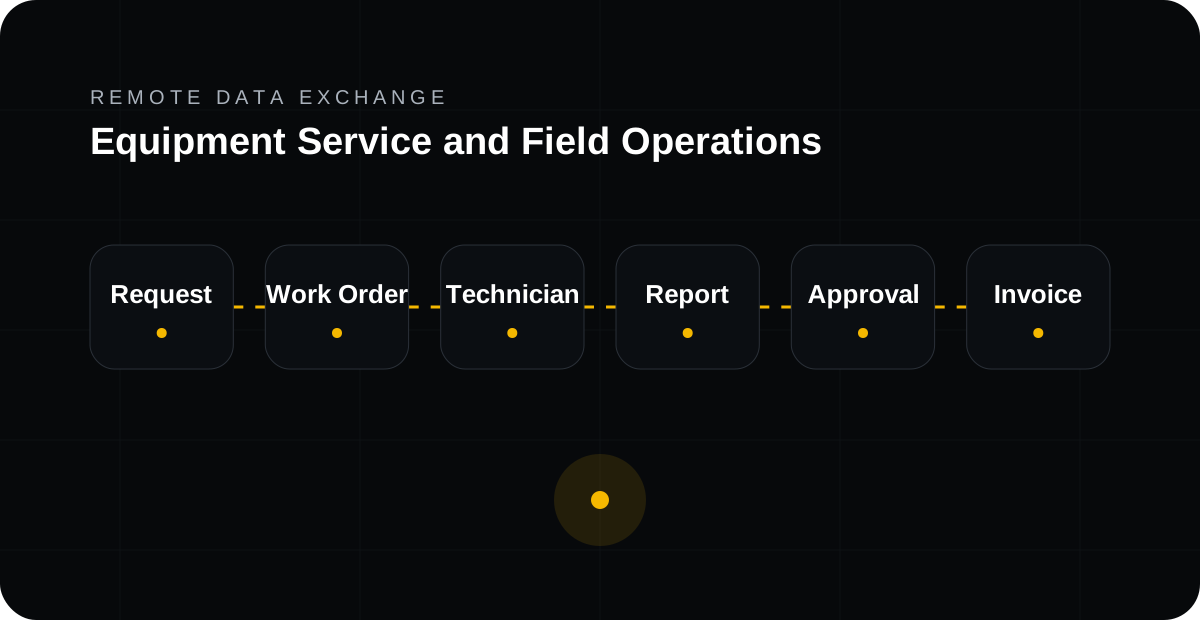
Read, classify and route incoming requests using customer, equipment, location, issue type and priority.
Create work orders with customer data, equipment history, service instructions and required documents.
Send technicians the right job, customer and service information without manual coordination.
Check for missing notes, photographs, parts, time records and customer approval.
Send appointment, status and completion updates from trusted workflow events.
Move approved completion data to finance as soon as billing requirements are met.
Keep open jobs, exceptions, completion status and billing readiness visible.
AI can read service emails, understand the reported issue, summarise equipment history, extract information from technician reports and identify incomplete service documents for human review.
Engineering and technical-service businesses manage complex information across enquiries, proposals, contracts, projects, resources, technical documents, time records and billing. RDX keeps the commercial, technical and finance handovers connected.
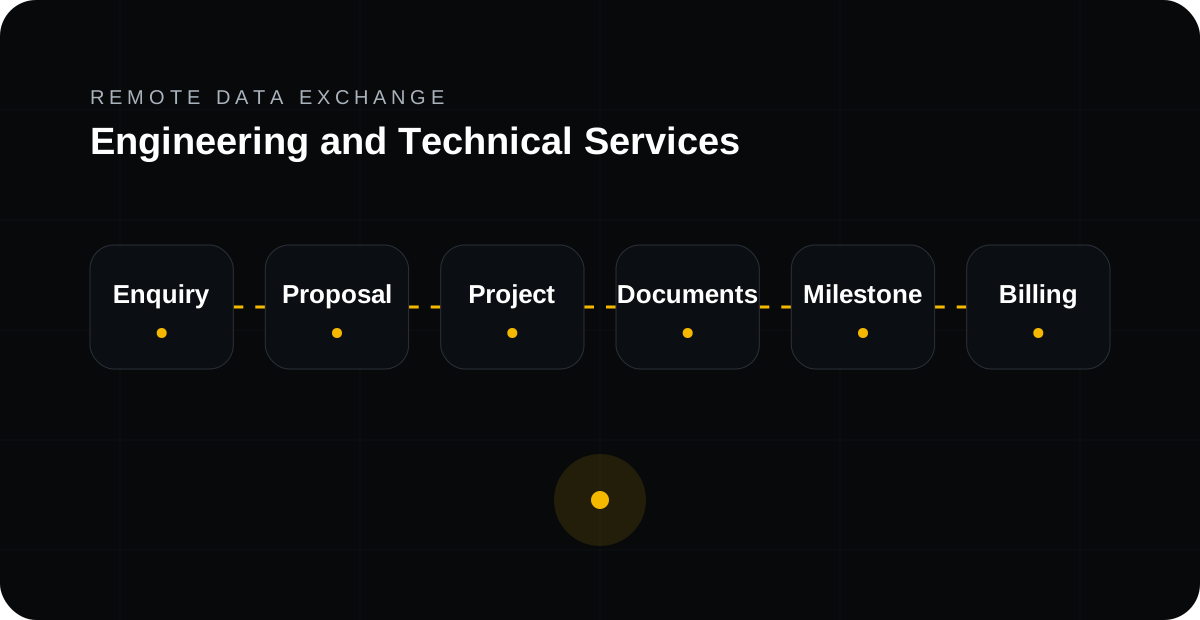
Classify enquiries and organise requirements, deadlines and documents for the right commercial or technical team.
Bring customer history, prior proposals, scope information and relevant documents into one preparation flow.
Create project structures, folders, assignments and billing milestones when work is approved.
Move documents through defined technical, commercial and customer approval stages.
Prompt for missing records and route submitted information through the correct approval path.
Notify finance when approved deliverables, milestones and records make a project ready to bill.
Keep delivery, utilisation, approvals, invoicing and financial status available to management.
AI can summarise customer requirements, compare document versions, extract scope information, prepare project briefs, draft client updates and highlight missing project information that requires attention.
Managed technology businesses operate across CRM, contracts, onboarding checklists, ticketing, monitoring, documentation, billing and renewals. RDX connects these operational systems so customer commitments become structured service workflows.
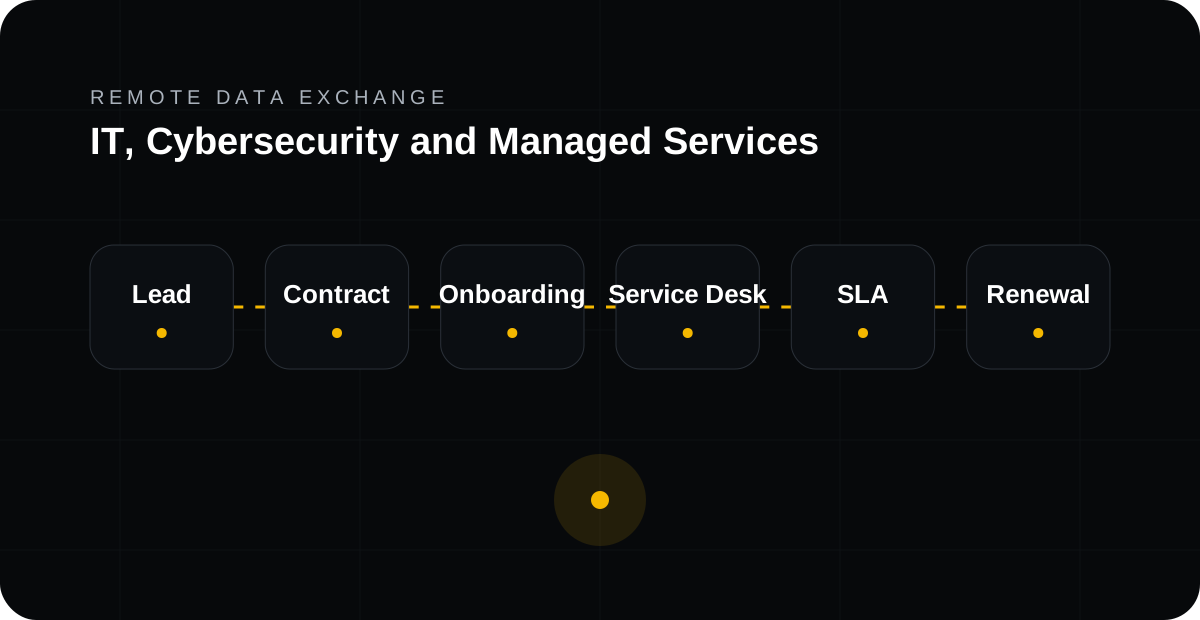
Create onboarding tasks, customer records and service checklists from approved commercial data.
Keep authorised customer, asset and service information aligned across operational tools.
Route requests using customer, service, severity and ownership context.
Trigger alerts and human escalation when service conditions approach defined thresholds.
Compile trusted operational information into scheduled customer and management updates.
Pass approved recurring, project or usage information to finance workflows.
Surface contract milestones and service context before renewal dates.
AI can classify inbound support requests, summarise ticket history, prepare service summaries, extract information from technical documents and draft customer communications while defined approval points remain with the service team.
Manufacturers and OEM service businesses often operate across CRM, ERP, production, quality, inventory, service and document systems. RDX creates controlled exchanges between those systems without replacing the systems of record.
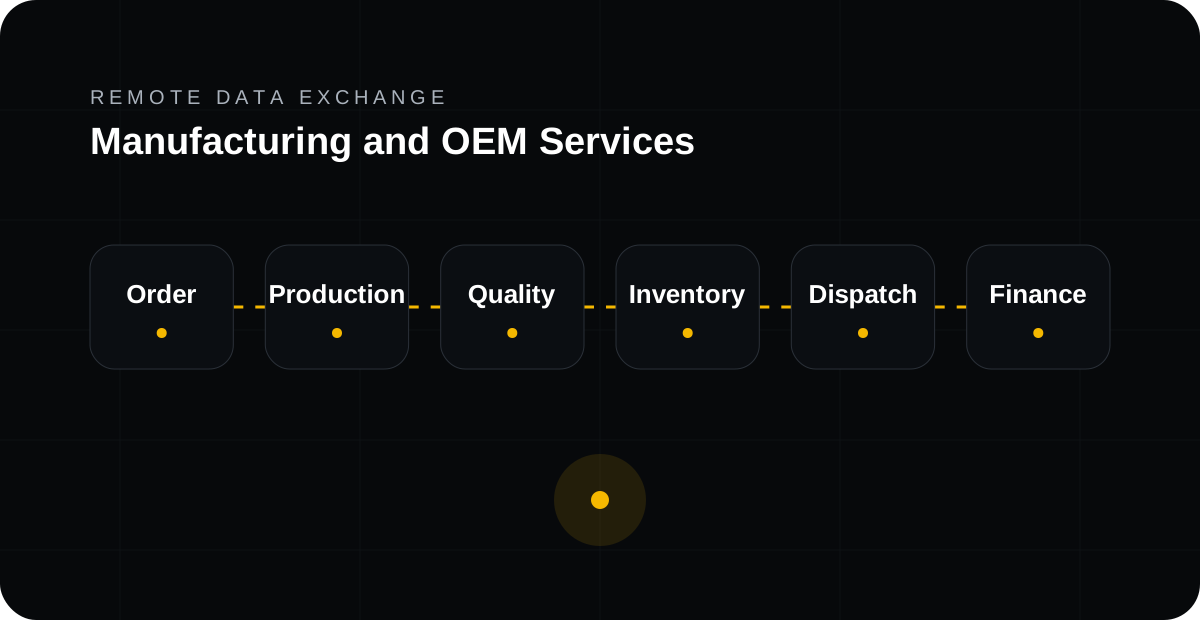
Move approved sales information into ERP or operational workflows.
Share permitted production or work-order status with customer and management systems.
Route non-conformance, inspection and approval information to the right teams.
Synchronise relevant stock, parts and availability information across systems.
Connect installed-base, warranty and service information for faster response.
Route certificates, specifications and approved documents with the associated order or asset.
Combine governed data from relevant systems for decision-ready reporting.
AI can classify incoming technical documents, extract order or service information, summarise quality records and assist with exception review where the underlying data and approval boundaries are defined.
Logistics and distribution businesses depend on information moving correctly between customer orders, warehouse activity, inventory, carriers, delivery confirmation and finance. RDX coordinates the workflow around those systems.
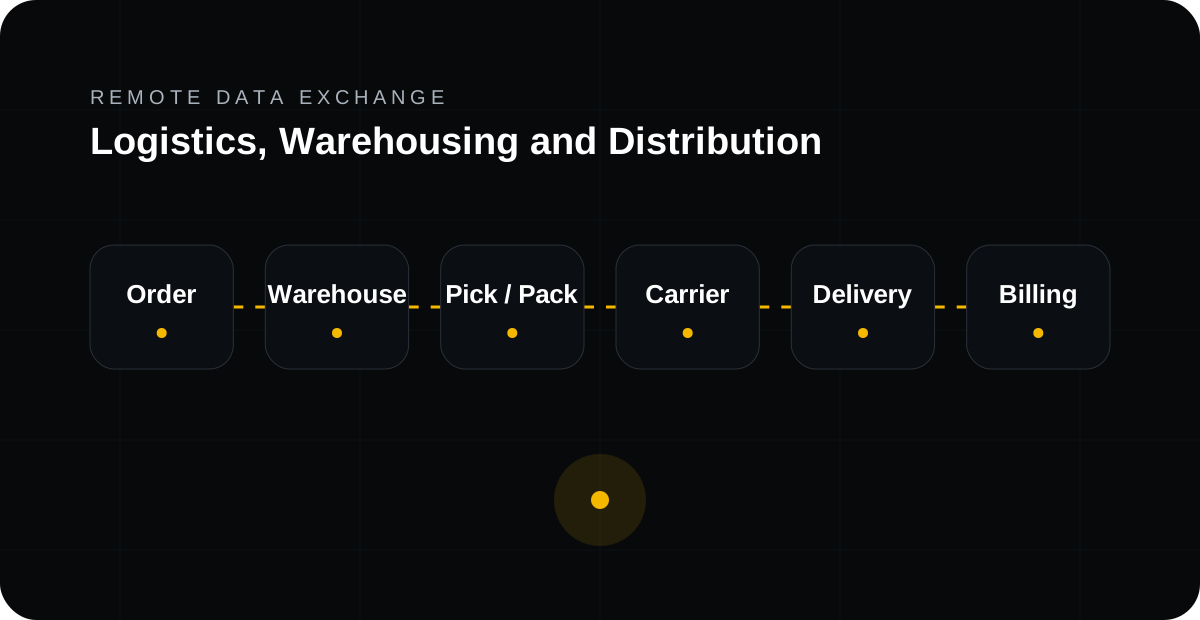
Structure orders received through approved digital channels and route exceptions.
Move validated order data into warehouse or fulfilment workflows.
Alert teams when availability, allocation or fulfilment data requires intervention.
Exchange permitted shipment and status information with carrier systems.
Capture and route proof-of-delivery or completion information.
Notify finance when defined fulfilment and documentation conditions are complete.
Use trusted status events to automate appropriate order and delivery communications.
AI can extract order information from documents, classify exceptions, summarise shipment history and prepare customer updates while operational decisions continue to follow defined rules and human controls.
Professional-service businesses rely on timely handovers between CRM, proposals, project delivery, documents, time records, approvals and finance. RDX connects those stages so client work moves with less administrative friction.
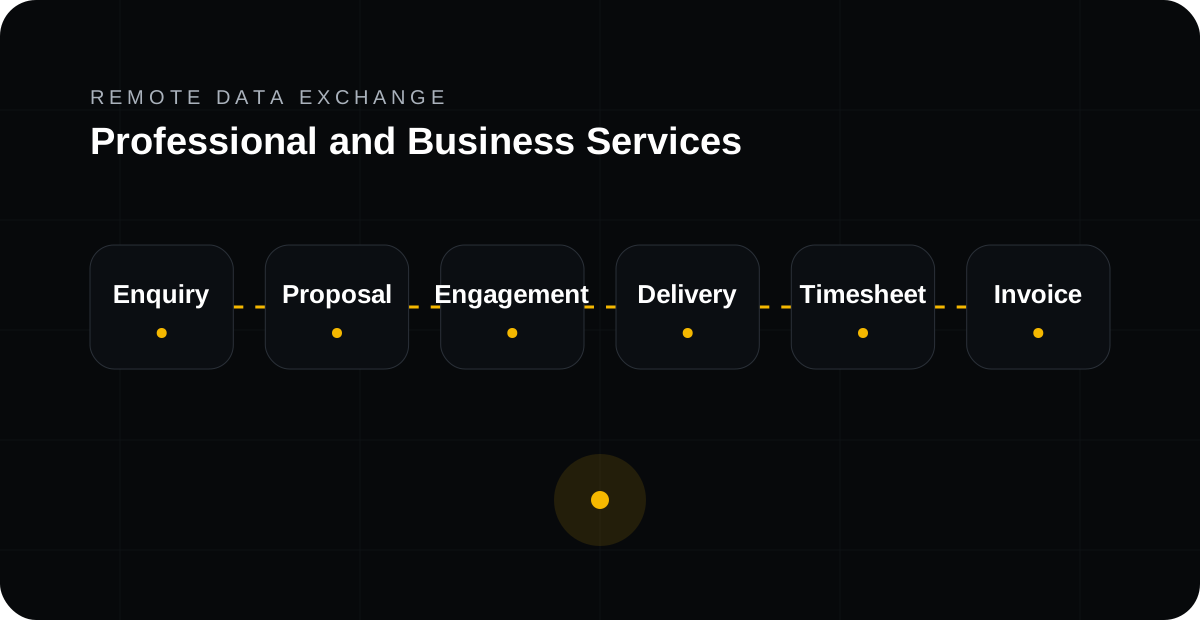
Structure approved customer and engagement information for delivery teams.
Create project, folder, task and billing structures from approved commercial data.
Route deliverables and approvals with clear ownership and status.
Identify missing records and notify the right people.
Prepare status information from authorised project data.
Notify finance when deliverables, time and approvals satisfy billing conditions.
Bring project, utilisation and billing status into a connected operational view.
AI can summarise client requirements, prepare internal briefs, compare documents, draft status updates and surface missing information while professional judgment and client commitments remain with people.
Financial and regulated service businesses need information to move efficiently while preserving validation, permissions, approvals and traceability. RDX connects governed workflow steps without substituting automation for required human judgment.
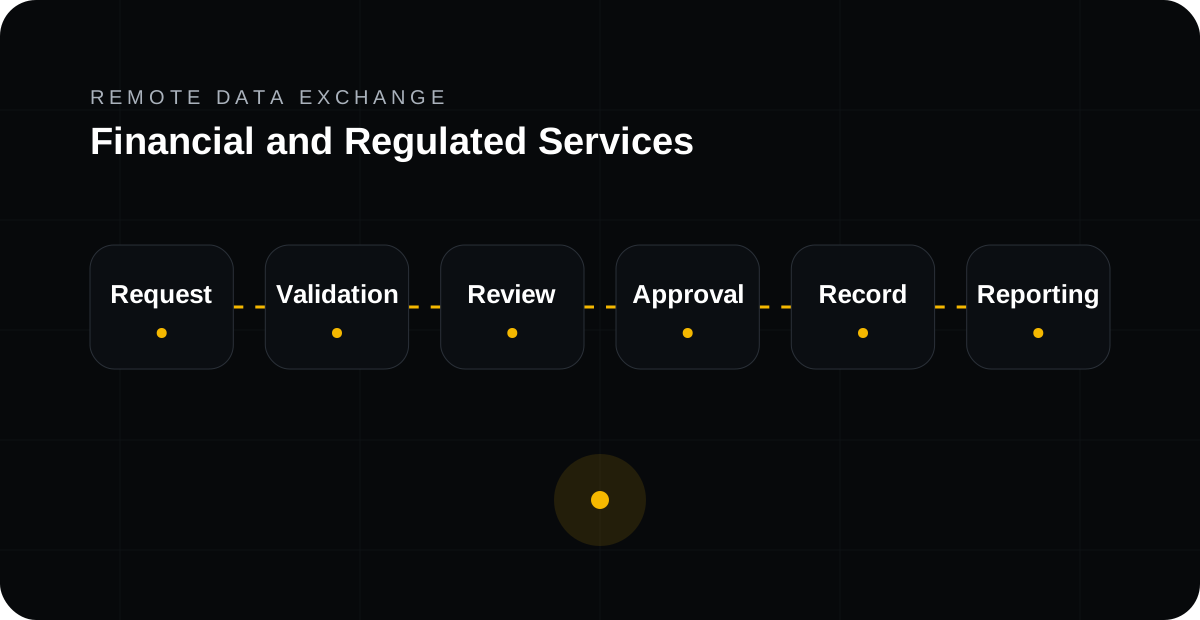
Structure requests and check required information before routing.
Verify required fields or documents before the next stage.
Move cases through defined human approval paths.
Synchronise approved information across authorised systems.
Route incomplete or unusual cases to the appropriate person.
Record workflow events and status changes consistently.
Feed governed operational data into management and compliance reporting workflows.
AI can support document extraction, classification, summarisation and exception identification where appropriate to the organisation’s governance requirements, with human review and access controls preserved.
Energy, utility and infrastructure organisations use specialised operational systems alongside maintenance, workforce, customer, finance and reporting platforms. RDX can coordinate permitted administrative workflows around those systems while leaving safety-critical control inside authorised OT environments.
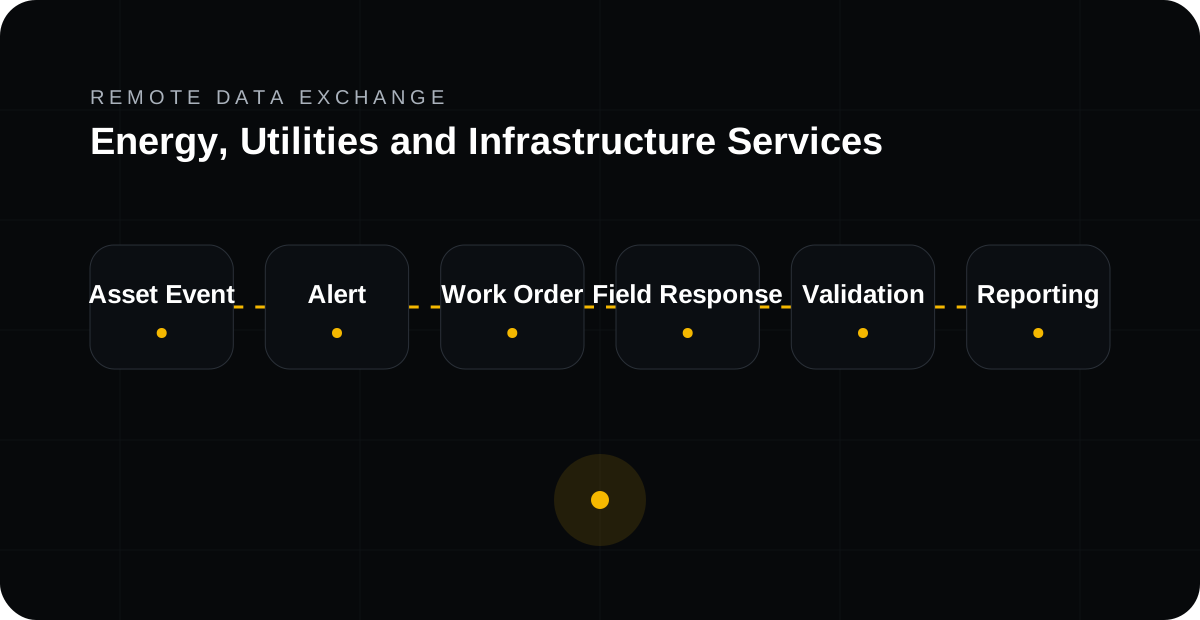
Use permitted operational events to initiate maintenance or review workflows.
Route approved work information to workforce systems and teams.
Gather required completion records, photographs and documents.
Trigger appropriate communications from validated workflow status.
Move approved completion data into commercial or finance processes.
Route safety, compliance or unusual cases to authorised people.
Assemble permitted data into service and management reporting.
AI can assist with document extraction, event classification, work-order summaries and reporting preparation. RDX should not replace safety-critical operational control, licensed operator judgment or specialised SCADA/EMS functions.
Healthcare, diagnostics and medical-service organisations often manage scheduling, customer or patient administration, documents, diagnostic information, reports and billing across different platforms. RDX can connect appropriate administrative workflows while preserving clinical and regulatory boundaries.
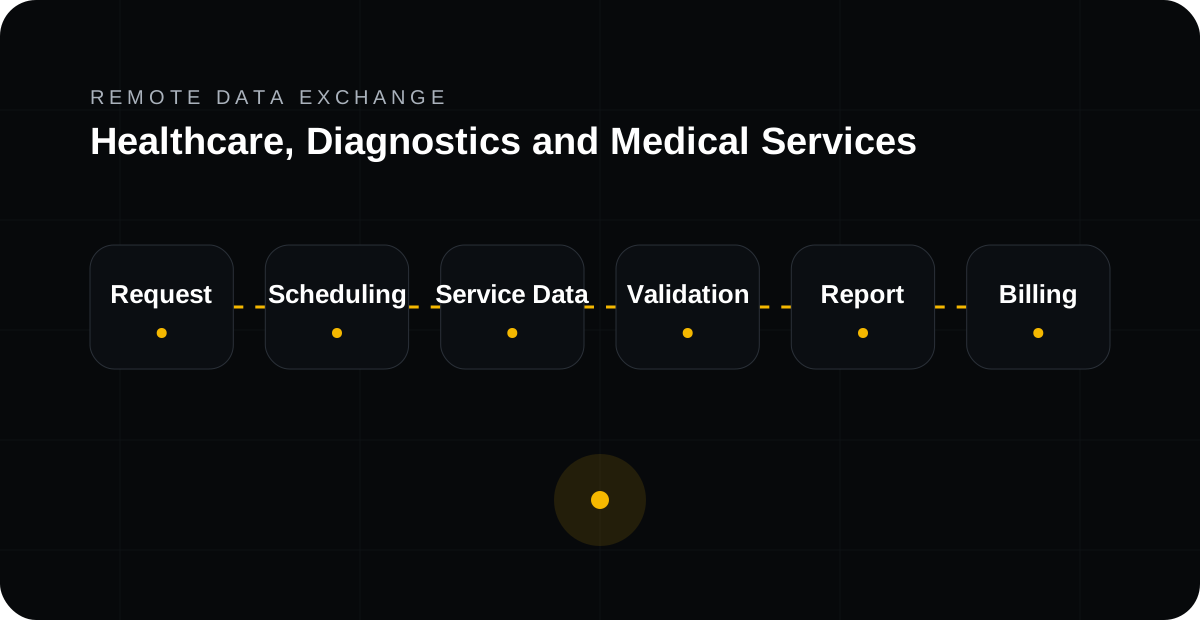
Structure administrative requests and route incomplete cases for review.
Move approved scheduling information across authorised systems.
Associate permitted documents with the correct administrative case or service request.
Track report preparation, approval and permitted release steps.
Trigger appropriate administrative updates from validated workflow events.
Notify finance when required service and documentation conditions are met.
Bring incomplete, unusual or sensitive cases to authorised staff.
AI can assist with administrative document extraction, classification, summarisation and workflow routing when permitted. It should not make clinical diagnoses or replace qualified clinical judgment.
RDX can connect service requests, work orders, technician information, service-report validation, customer updates and job-to-invoice workflows across the systems a field-service business already uses.
AI can assist with requirement summarisation, document comparison, project briefs, meeting summaries and missing-information checks when connected to governed project data and workflow context.
Usually no. RDX is designed to create intelligent data exchanges between existing systems so information can move, be validated, transformed, routed and used to trigger the next workflow.
Depending on the interfaces available, RDX can work across CRM, ERP, databases, APIs, files, email-driven processes, SaaS applications, legacy systems and AI services.
No. RDX is most useful wherever customer, operational, finance, document or reporting information must move across several systems and manual coordination is slowing the workflow.